Psychodynamic Psychotherapy
in North London
A space to explore emotional difficulties, relationships, and questions of meaning and identity.
About Me and My Practice
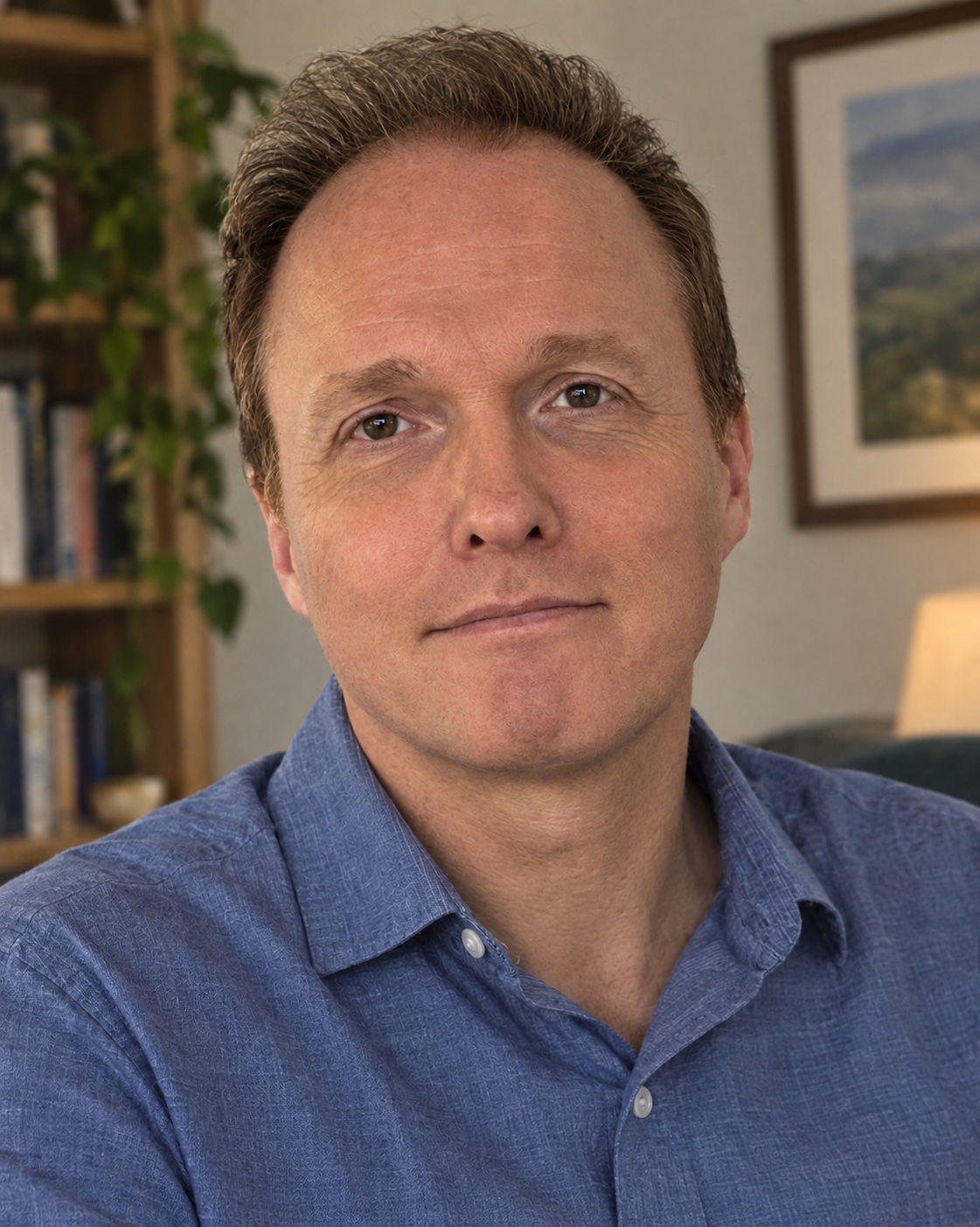
I’m Oliver, a fully qualified BACP registered psychodynamic psychotherapist working in East Finchley, Finchley Central, and online. I practice in accordance with the BACP’s Ethical Framework and Professional Standards, providing a space for adults who are seeking help with anxiety, low mood, relationship difficulties, life transitions, and questions of meaning and identity.
I hold an MSc in Psychodynamic Psychotherapy and a PhD in Philosophical Theology. Before training as a psychotherapist, I worked as a teacher in schools, further education, and higher education. This background has shaped my curiosity about inner life, reflection, and how people make sense of their lives.
As a psychotherapist, I’ve worked with people across a range of identities, genders, sexualities, cultural backgrounds, and neurodiversity, and have a particular interest in working with those who sense a division between intellectual understanding and emotional experience, between thinking and feeling.

What is Psychodynamic Psychotherapy?
Contact Me
You are welcome to get in touch if you have any questions about therapy, to arrange a brief initial consultation by phone or online, or to book a first session.
All enquiries are treated confidentially and responded to promptly.
Fees & Availability
I currently have availability within my London practices. My fee is £90 per session. I also offer weekday daytime appointments at £80. Sessions are 50 minutes, usually weekly. I generally work on a medium to long-term open-ended basis, though shorter-term work, including single session consultations, is also possible if this better suits your needs and circumstances.
Getting Started
I offer a free 15-minute phone or online conversation to answer practical questions and help you decide whether you would like to book a session.
The first session then takes place in the same way as any other: we meet and begin talking. Some people come with a view to ongoing therapy, while others are looking for a short period of support or even a single session to think something through.
After the first session, we can each take time to reflect on whether further meetings feel appropriate and, if so, what form the work might take. If you decide to continue, we will agree a regular time to meet, ideally on a weekly basis.
FAQs
Psychodynamic psychotherapy is less concerned with quick solutions and more with understanding how difficulties have taken shape over time. Alongside this, my training and experience have shown me the value of a flexible approach, and I can integrate elements from other evidence-based approaches, including more structured or skills-focused work, where this is appropriate.
There is no fixed time frame. Some people come for a defined period to focus on a particular difficulty, while others choose longer-term, more exploratory work. The duration depends on the nature of what you would like to work on and how deeply you wish to explore it. For some, a shorter period feels sufficient; for others, ongoing work allows for a more sustained and thoughtful process.
Yes, our work together is confidential. I am bound by the ethical framework of the BACP, which requires that what you share remains private. The only circumstances in which confidentiality may need to be broken are if there is a serious risk of harm to you or to others. If such a situation arose, I would aim to discuss this with you wherever possible.
Not at all. You may come with a specific concern or with feelings that are harder to put into words. Part of the work can involve giving shape to experiences that initially feel unclear. At times, we may also agree a more focused direction if that feels useful.
The terms are often used interchangeably and both involve talking therapy within a confidential and supportive setting. In general, psychotherapy training is longer and more intensive, involving substantial clinical practice, theoretical study, and the therapist’s own personal therapy.
Psychotherapy often places greater emphasis on exploring deeper or more longstanding patterns and may involve longer-term work. That said, there is considerable overlap between counselling and psychotherapy. The most suitable approach depends on your needs and what you would like to work on.
© Dr Oliver Tromans
Powered by WebHealer